Ear Piercing Chart: Pain, Healing Time & Placement Guide
Compare ear piercing names, placement points, pain levels, healing time, jewelry, and aftercare notes from one interactive ear map.
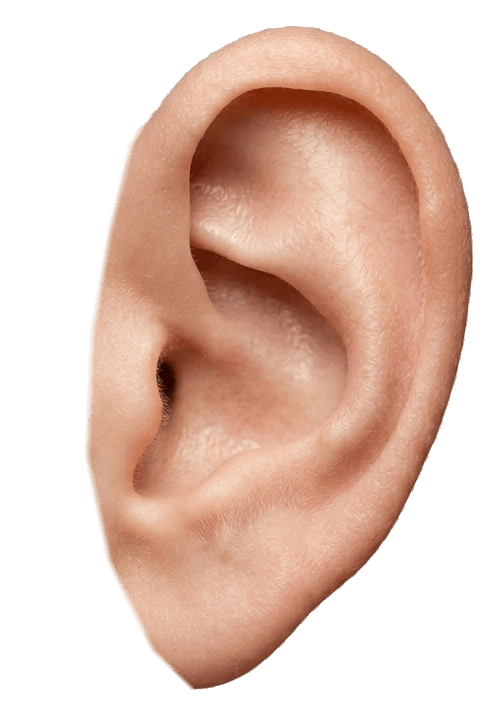
Tap a gold point
Estimates only. Ask a professional piercer for anatomy and health guidance.
Explore Ear Piercing Guides
Use these crawlable guide links after exploring the chart to compare pain, healing, placement names, jewelry choices, aftercare, and popular piercing pairs.
Pain & Healing
Compare pain level, tenderness, and realistic healing timelines before choosing a placement.
Placement Guides
Learn the names, anatomy zones, and common placement families used in curated ears.
Jewelry & Aftercare
Choose better starter jewelry and understand the habits that keep healing calmer.
Popular Piercing Guides
Open detailed guides for the placements people compare most often.
Comparisons
Compare similar placements before deciding which one fits your ear and routine.
Compare ear piercing placement, pain, and healing in one chart
This ear piercing chart groups common lobe, outer cartilage, inner cartilage, and multi-point placements so you can compare where each piercing sits before opening a detailed guide.
How to use the chart
- Start with the placement point to see the anatomy area and common name.
- Compare pain and healing time before choosing a cartilage or lobe placement.
- Open the guide for jewelry, aftercare, sleep, headphone, and anatomy notes.
Fastest healing options
Popular comparisons
Ear piercing quick answers
What is the least painful ear piercing?
Standard lobe piercings are usually the lowest-pain option in this chart because they pass through soft lobe tissue rather than firmer cartilage.
Which ear piercings take the longest to heal?
Cartilage placements such as helix, conch, daith, rook, snug, and industrial piercings usually take months rather than weeks and can be delayed by pressure, poor jewelry fit, or irritation.
Can the chart tell me which piercing fits my ear?
The chart can narrow options by placement, pain, healing, and lifestyle impact, but final suitability depends on your anatomy and should be checked by a professional piercer.